


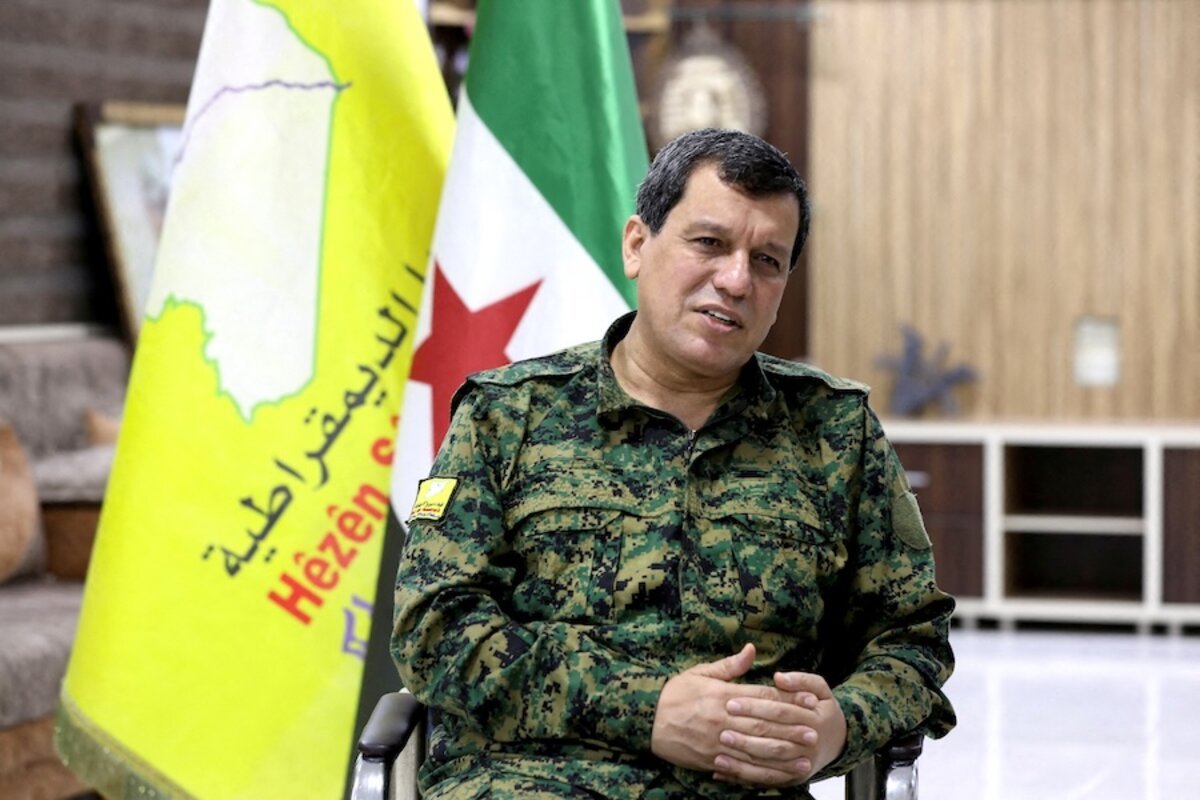
- Syria pushes toward unity
- Visa payments return
- Kurdish forces join army
Most Arab leaders view a stable, unified Syria as essential for lasting Middle East peace.
Yet the country has struggled with division and instability for nearly 15 years.
More than 5.5 million Syrians remain displaced within the country due to past conflicts.
For ordinary Syrians, even basic international financial services have been difficult to access.
The United States had isolated Syria for 47 years over its terrorism designation.
Economic restrictions severely limited the country’s connections with global financial systems.
The Kurds, Syria’s largest ethnic minority, have long sought greater independence and recognition.
Recent political changes have encouraged hopes for democracy and stronger rule of law.
However, national unity and lasting stability remain difficult goals.
On August 24, the United States removed Syria from its state sponsors of terrorism list.
The move opened opportunities for renewed economic and financial links with other countries.
It marked a significant step toward Syria’s reintegration into the global economy.
On August 26, President Ahmed al-Sharaa used a Visa card to buy coffee in Damascus.
The simple transaction demonstrated that international card-payment services had returned to Syria.
For many Syrians, it symbolized the country’s gradual return to normal economic life.
A day earlier, Kurdish leader Mazloum Abdi announced the dissolution of his militia.
The Syrian Democratic Forces would be integrated into the country’s national army.
Abdi said Syria had entered a new phase focused on peace and rebuilding.
Abdi said the transition should move Syria from battlefields toward reconstruction and development.
His remarks reflected growing efforts to replace conflict with national cooperation.
The government’s next challenge will be turning these promises into lasting stability.
The latest moves toward greater national unity have attracted considerable regional attention.
Integrating the forces could create one army, one government and one state.
Officials also described the process as national integration based on equal citizenship.
For the first time since Syrian independence in 1946, Kurdish cultural and language rights are set for formal recognition.
The development could represent a major change in relations between Syria’s communities.
It also signals a broader attempt to build a more inclusive state.
The wider Middle East will closely monitor Syria’s difficult path toward reconciliation and stability.
A peaceful and unified Syria could have major implications for regional security.
For Syrians, these recent changes offer an opportunity to rebuild their country’s foundations.

